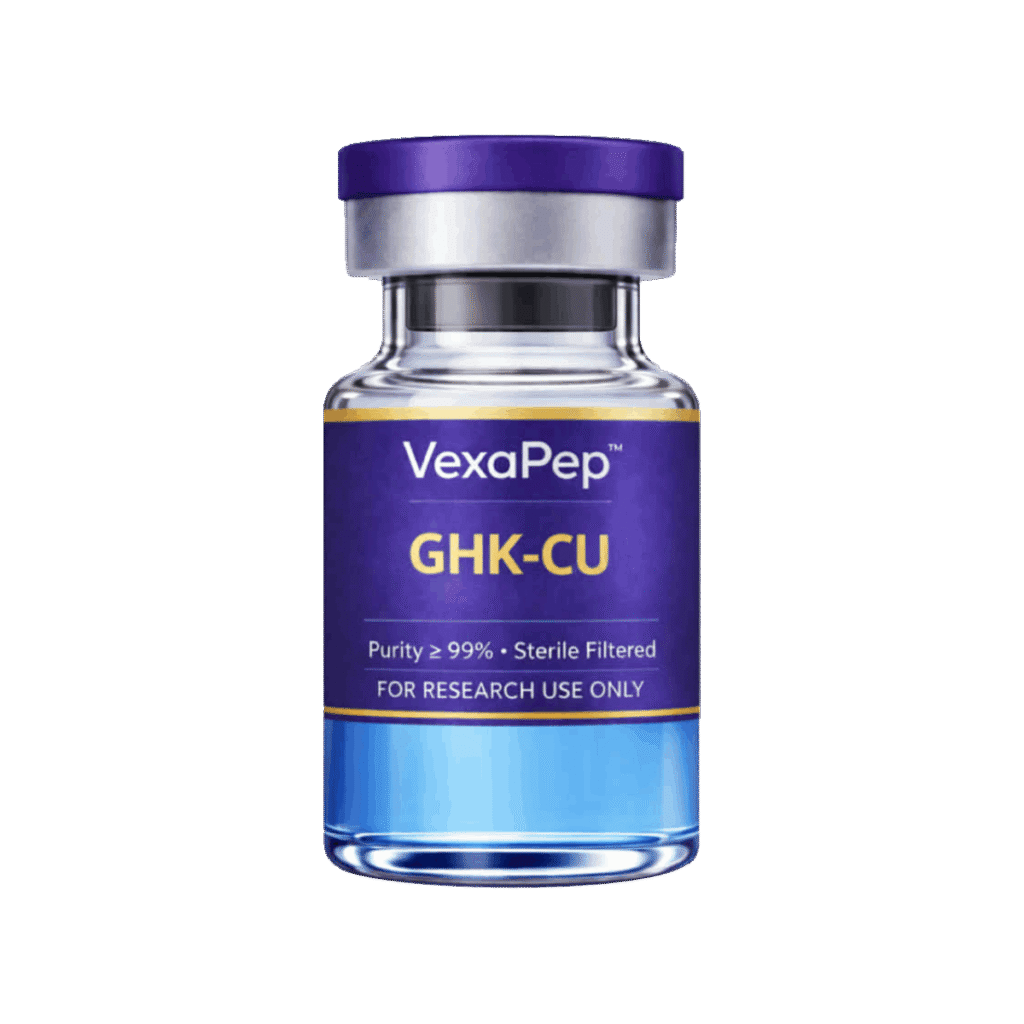
What is the GHK-Cu Blend?
The GHK-Cu blend is an advanced scientific formulation that pairs the legendary copper-binding tripeptide glycyl-L-histidyl-L-lysine (GHK) with an optimized structural peptide carrier framework. This high-potency 50mg matrix is structurally engineered to resolve the stability limitations often associated with traditional single-sequence copper solutions when introduced to complex biological environments.
The core mechanism of action of the GHK-Cu blend relies on its exceptional capability to coordinate copper ions and deliver them straight to intracellular pathways. This direct delivery triggers the transcription of metalloproteinases, downregulates pro-inflammatory markers, and activates early growth response cascades. By serving as an organic modifier of tissue breakdown and recovery, this blend is a premier asset for researching systemic extracellular matrix stabilization and accelerated cellular turnover.
Key Scientific Applications & Research Benefits
In laboratory models, cellular remodeling frameworks, and dermatological longevity studies, the GHK-Cu blend is extensively evaluated for its distinct biochemical mechanisms:
1. Upregulation of Collagen, Elastin, and Glycosaminoglycans
Research indicates that the GHK-Cu blend significantly enhances the transcriptional activity of dermal fibroblasts. This results in a measured increase in the synthesis of type I and type VII collagen, structural elastin fibers, and key skin-hydrating proteoglycans, providing data on structural tissue thickness and resilience optimization.
2. Modulation of Inflammatory Cytokines and Oxidative Stress
Accumulated systemic inflammation and oxidative damage disrupt normal tissue repair pathways. Scientific literature highlights the capacity of the GHK-Cu blend to regulate inflammatory signaling by downregulating pro-inflammatory cytokines (such as TNF-alpha and IL-1-beta) while boosting endogenous copper-dependent antioxidant systems like superoxide dismutase (SOD).
3. Stem Cell Proliferation and Vascular Angiogenesis
The restoration of microvascular networks is vital for tissue health. The GHK-Cu blend is widely utilized in studies to examine the acceleration of new blood vessel formation (angiogenesis) and to analyze the proliferation kinetics of basal epidermal stem cells near site injuries or cellular senescence layouts.
4. Nerve Regeneration and Neurotrophic Support Mapping
Emerging biochemical models suggest that copper peptide complexes extend their biological activity into neural architecture. This 50mg configuration assists researchers investigating axon outgrowth, nerve cell migration patterns, and the upregulation of structural neurotrophic factors post-trauma.
Technical Specifications & Laboratory Guidelines
Every 50mg vial is manufactured under strict quality assurance parameters to protect your experimental integrity and guarantee precise reproducibility:
- Composition Matrix: HPLC-Purified GHK-Cu Tripeptide + Synergistic Peptide Adjuvants
- Total Mass Content: 50mg per sterile vacuum-sealed vial
- Purity Profile: ≥98% via High-Performance Liquid Chromatography (HPLC)
- Storage Conditions: Lyophilized powder remains structurally stable at room temperature for up to 90 days. For long-term preservation, store at -20°C. Following reconstitution with sterile BAC water, store tightly refrigerated at 2°C–8°C and utilize within 30 days to protect against active compound oxidation or structural peptide shifting.
Disclaimer: This product is synthesized, manufactured, and distributed strictly for laboratory research, in vitro diagnostic evaluation, and scientific analysis. It is not approved or intended for direct human therapeutic use, cosmetic applications, or consumer ingestion.
Reviews
There are no reviews yet.